May 6, 2026
Welcome to our comprehensive guide on deck repair. Whether your deck has become worn with age or has suffered from the elements, restoring it can enhance your home's aesthetic and ensure safety. A well-maintained deck not only boosts the appeal of your home but also adds to its market value. In fact, the industry is seeing massive growth; according to TheBusinessResearchCompany.com, the global deck market is projected to expand to $18.70 billion by the year 2029. With proper guidance and the right techniques, even heavily damaged decks can be restored to their former glory.
Assessing Deck Damage
Understanding the current state of your deck is the first step in the restoration process. Begin by inspecting for rot and decay, particularly around the areas that are frequently exposed to moisture. Decks made of wood are prone to rot when moisture penetrates and doesn’t dry out properly. Use a screwdriver or other poking tool to check if the wood is soft. If it penetrates easily, the wood is likely rotten and needs to be replaced.
Loose or rusted fasteners can compromise the integrity of your deck. Over time, exposure to elements can cause nails and screws to rust, which can lead to structural instability. Regular inspections can help identify these issues before they become hazardous. Make sure to replace any rusted or loose fasteners promptly to avoid accidents. Keeping your deck’s fasteners in good condition is essential for ensuring the safety of anyone who uses the deck.
Structural weakness might not be immediately apparent but can have severe consequences if left unaddressed. Check for sagging areas, which could indicate that beams or joists have weakened. Pay special attention to the edges and corners, where damage might go unnoticed. If you spot any areas that appear less stable, it could be an indication of deeper issues that require professional assessment.
Selecting Essential Tools and Materials
Having the right tools on hand is crucial for efficient and effective deck repair. A comprehensive kit includes items such as drills, saws, hammers, and screwdrivers, each serving an indispensable role. Power tools can greatly expedite the process but always heed safety warnings and use them with care. It's also advisable to have a toolbelt and a sturdy step ladder to access all areas comfortably. Using quality tools not only enhances efficiency but also the quality of repairs.
Choosing high-quality materials can greatly affect the longevity of your deck repair efforts. Opt for pressure-treated lumber and corrosion-resistant fasteners to withstand extreme weather conditions. Decking materials such as composite wood, though more expensive initially, are resistant to rot and easy to maintain. Consult with professionals if needed to ensure you're selecting the right materials for your specific environment. Investing in quality materials can save you on future repair costs.
Safety gear is often undervalued but is crucial for a safe repair process. Items such as gloves, safety goggles, and dust masks are essential when working with wood and power tools. Falls are a common hazard, so wearing non-slip footwear is advisable. Having a first aid kit on site is also a wise precaution. Safety should always be prioritized, as accidents can result in significant delays and additional costs.
Repairing Structural Components
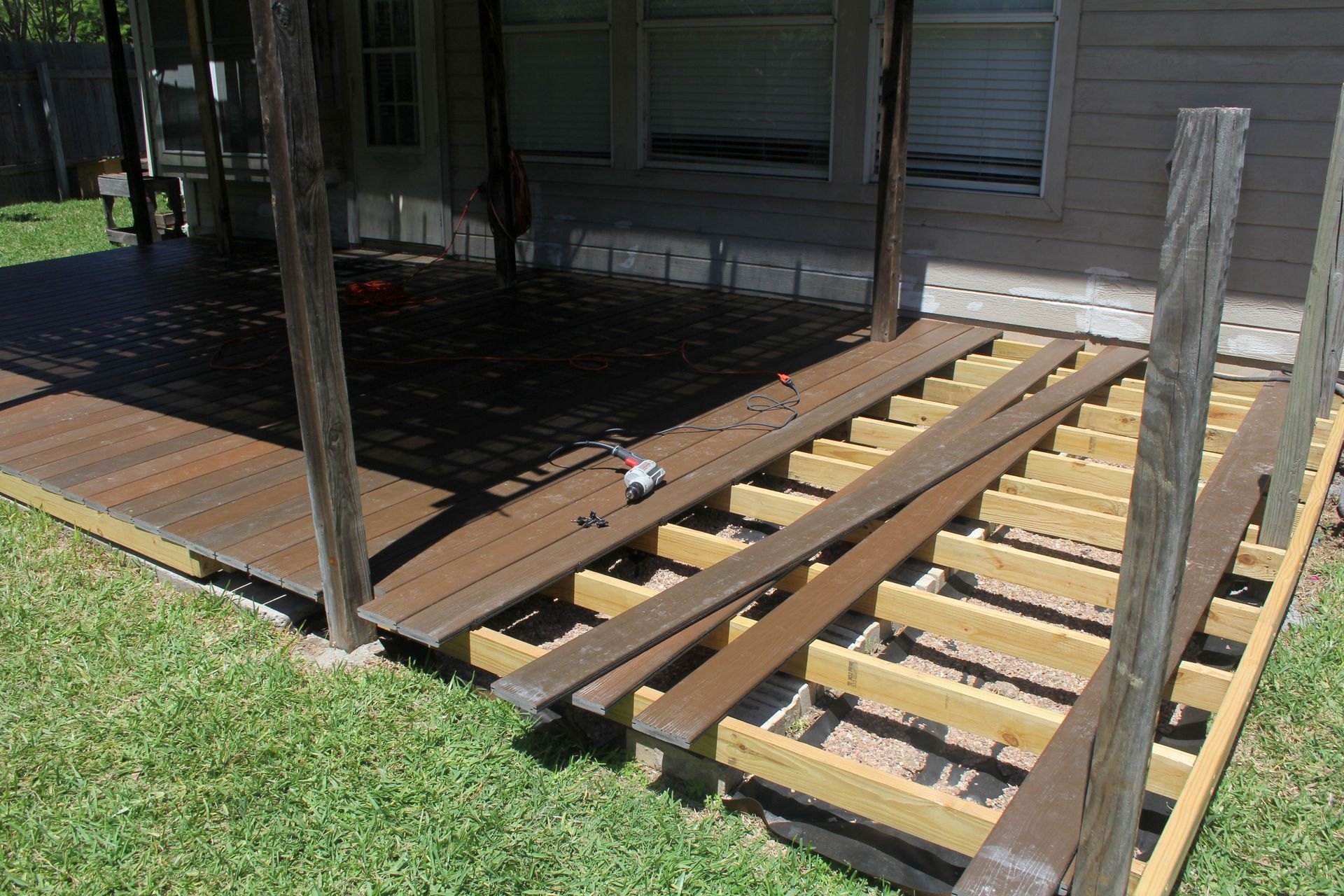
Replacing damaged boards is often a focal step in repairing a deck. Before removal, use a pry bar carefully to lift out old boards without causing additional damage to adjacent areas. Measure and cut new boards to fit snugly into place, ensuring alignment with existing ones. Secure them using the corrosion-resistant fasteners you selected earlier. This process not only enhances the appearance of your deck but also restores its structural integrity.
Ensuring that every fastener is secure is vital for a structurally sound deck. Start by examining all screws and nails across the decking surface. Re-fastening loose nails or replacing them with screws can improve the overall sturdiness significantly. Use screwdrivers or drills to ensure tightness, checking frequently for any give in the wood. By securing these elements, you safeguard the deck against potential shifts and creaks, elevating the safety and longevity.
Reinforcing beams and joists can prevent potential failures in the future. Check under the deck to verify that beams are level and well-positioned. In cases where support is waning, metal brackets can help reinforce weak points effectively. Reinforcing doesn't just involve adding support; sometimes it might require replacing entire sections. A proactive approach keeps the deck durable and user-friendly.
Implementing Surface Restoration Techniques
Sanding and cleaning the surface during a deck repair are preliminary steps before applying any finishes. Begin by sweeping the deck clean of debris. Use a power sander to smoothe the surface, reducing splinter risks and ensuring an optimal canvas for sealants or stains. Follow up with a power wash to remove dust particles left over from sanding. This prepared surface ensures better adhesion of treatments that follow.
Applying deck stain or sealant serves as both a cosmetic and protective step. Stains add color and aesthetics, while sealants provide a barrier against moisture and UV rays. Choose a product that aligns with local weather conditions and the type of wood used. Proper application in layers ensures even coverage and enhances durability. Regular reapplication every few years is advisable for lasting protection.
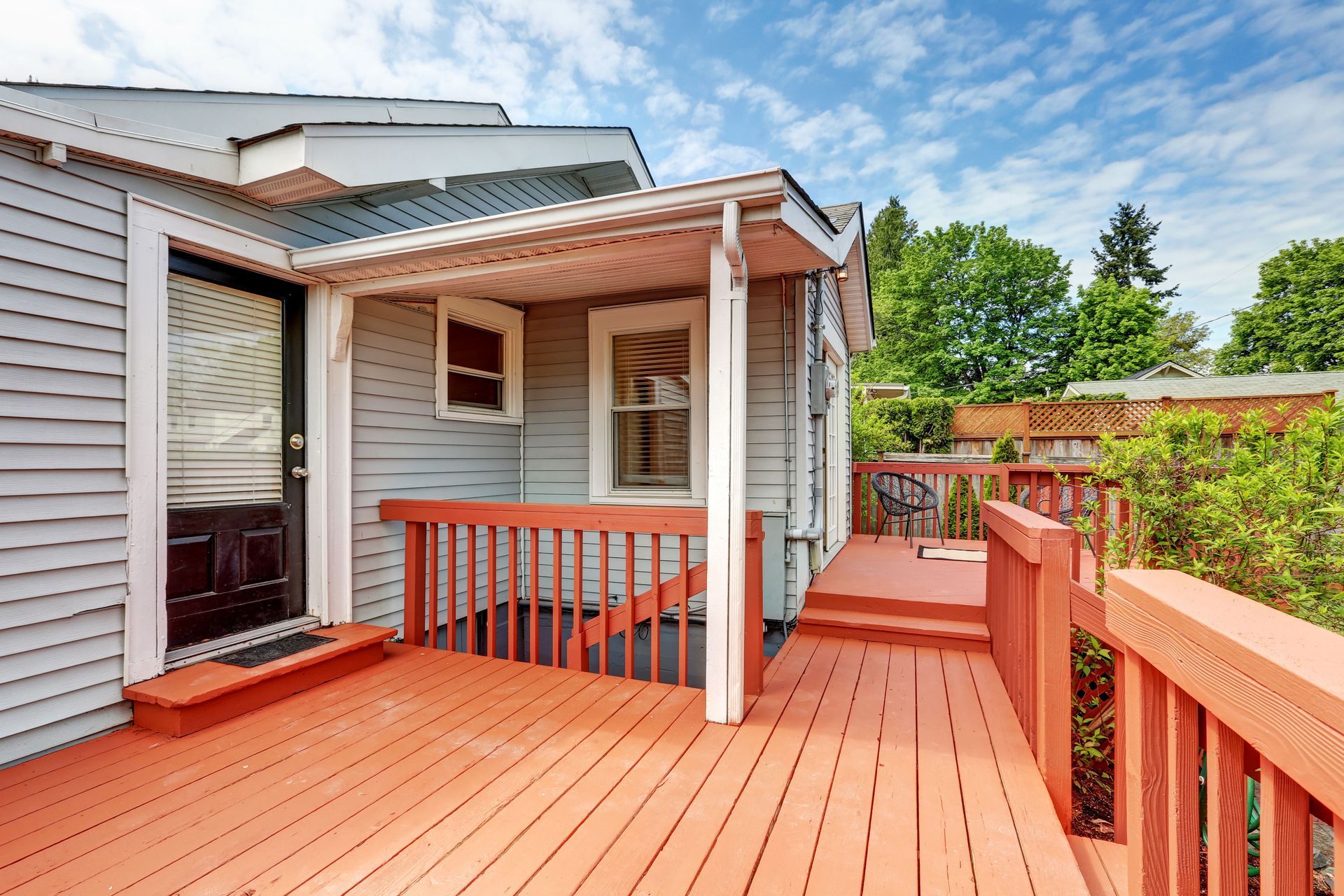
Painting your deck offers both pros and cons, depending on your needs. Paint provides a wide array of color choices but may hide the natural texture of the wood. However, it offers superior protection against elements and can cover imperfections well. On the downside, painted surfaces require frequent maintenance to avoid peeling. Weigh these factors carefully to decide if painting aligns with your aesthetic goals and maintenance capabilities.
Enhancing Deck Aesthetics
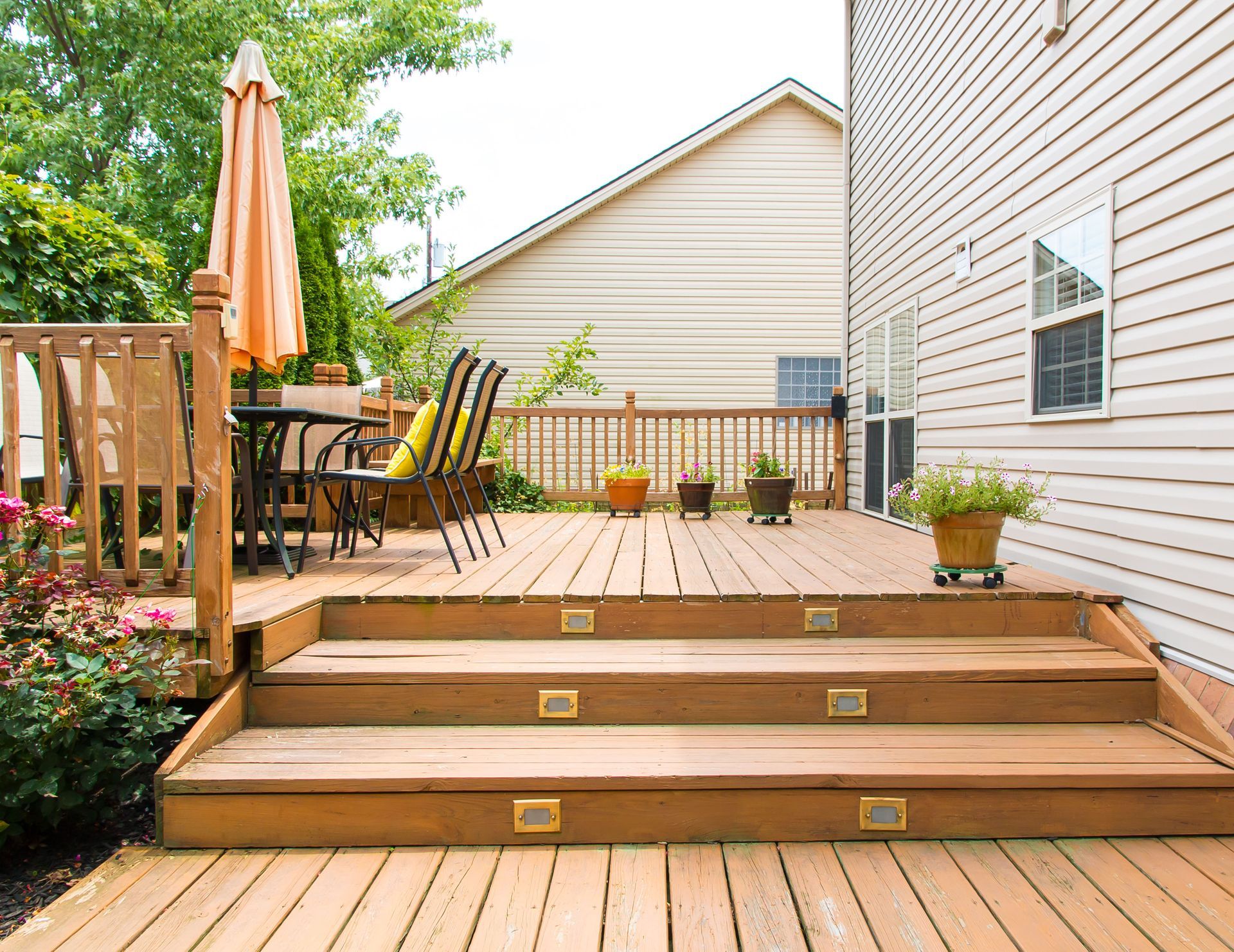
Incorporating lighting solutions can transform your deck into a magical evening retreat. LED options offer energy-efficient choices that can be easily integrated into the design. Place lights strategically along stairways and railings to enhance safety. Lanterns and string lights can add charm and ambiance. Properly positioned lighting elements elevate the deck's functionality and aesthetic.
Deck furniture and decor contribute significantly to the inviting nature of the space. Choose weather-resistant materials for durability, and select pieces that complement the overall style. Incorporate cushions for color pops and comfort, and consider seasonal decorative items. The right selection of furniture can make your deck an extension of your home’s interior, creating a seamless flow between spaces. Making thoughtful decor choices during deck repair ensures a harmonious and inviting environment.
Adding greenery and planters can create a cozy, natural atmosphere on your deck. Opt for weather-hardy plants that can withstand varying conditions. Use planters to define separate zones or pathways. Vertical gardens offer an innovative way to maximize floral displays without occupying too much space. Greenery not only improves air quality but also adds a touch of serenity to the environment.
By following this comprehensive guide, you can ensure the safety and beautification of your deck for years to come. Regular upkeep and deck repair not only preserve the deck's structural integrity but also enhance your home's outdoor space aesthetics, providing a welcoming area for relaxation and entertainment. Embracing the outlined tips and techniques positions you well for a successful project. Remember that investing time and resources into maintaining your deck can yield significant returns. Prioritize safety and quality, and your deck will serve as an enduring asset to your home. Protect your investment and stay ahead of rising home trends by contacting RM Building LLC today for a free estimate on your next deck restoration project.